
Sailing Sicily: Complete Guide, Things to Do and Best Time to Visit
 Posted by:
 - 13742
- 14

- Is Sicily Good for Sailing? Conditions, Routes and What to Expect
- The Aeolian Islands: Sicily’s Most Iconic Sailing Extension
- Planning Your Sicily Experience: Travel Time, Routes and How to Explore
- Final Thoughts: Is Sicily the Right Destination for You
- Frequently Asked Questions
Sicily stands out for its rare combination of cultural depth and geographic diversity. Few places in Europe offer such a concentration of historical sites alongside a coastline that extends for over 1500 km, creating a destination that can be explored both inland and at sea.
The island is shaped by multiple civilizations that have left visible and lasting traces. Sites like the Valley of the Temples in Agrigento represent some of the most important examples of Greek architecture in the Mediterranean, while locations such as the Greek-Roman Theatre in Taormina or the Villa Romana del Casale reveal different historical layers through well-preserved structures and mosaics.
In cities like Palermo, architecture reflects centuries of transformation, with Arab, Norman, and later influences coexisting in the same urban space. Moving toward the southeast, Baroque towns such as Noto, Ragusa, and Modica introduce a completely different visual and cultural identity, showing how varied the island can be within relatively short distances.
At the same time, Sicily is not only defined by its history. Its natural environment plays an equally important role. The coastline offers a wide range of landscapes, from long sandy beaches to rocky coves and volcanic formations, while inland areas provide a contrast with agricultural landscapes and elevated terrain.
This balance between culture and nature is what makes Sicily particularly interesting for travelers. It allows for a combination of experiences, from visiting archaeological sites and historic towns to spending time at sea, swimming, or sailing along the coast. Rather than focusing on a single aspect, Sicily offers a layered experience where history, landscape, and everyday life interact continuously, making it one of the most complete destinations in the Mediterranean.
What to Do in Sicily: Culture, Coastlines and Local Experiences
One of the most distinctive aspects of Sicily is the variety of experiences it offers within relatively short distances. The island allows travelers to move naturally between historical sites, coastal landscapes, and everyday local life, creating a journey that is both diverse and cohesive.

Exploring historic towns is a central part of the experience. Cities like Palermo, Catania, and Taormina each reflect different cultural influences, visible in their architecture, street layout, and atmosphere. From local markets and coastal promenades to layered monuments and ancient theatres, these urban areas offer a strong connection between past and present.
Moving inland, Sicily reveals a quieter and more traditional side. Smaller towns and rural landscapes shaped by agriculture provide a contrast to the coast, offering a slower rhythm and a deeper insight into local identity.
The coastline adds another dimension to the experience. With its mix of sandy beaches, rocky coves, and protected natural areas, Sicily offers countless opportunities for swimming, snorkeling, and exploring by sea.
Many of these locations are best reached by boat, reinforcing the connection between land and navigation. Food is also a defining element of what to do in Sicily. The island’s culinary tradition reflects centuries of cultural influence and the richness of its local ingredients. Dishes such as arancini, caponata, and pasta alla Norma are part of everyday life, while desserts like cannoli and granita are closely linked to regional habits and traditions.
Wine production further completes the experience, with varieties such as Nero d’Avola, Marsala, and Malvasia highlighting the diversity of the territory. Rather than focusing on a single activity, Sicily offers a layered experience where culture, landscape, and food naturally combine, making every part of the island worth exploring.
Is Sicily Good for Sailing? Conditions, Routes and What to Expect
Sicily is widely considered one of the most complete sailing destinations in the Mediterranean, thanks to its combination of varied routes, favorable weather conditions, and diverse coastal landscapes. Sailing around the island offers a perspective that cannot be experienced from land, connecting historic ports, remote bays, and nearby island groups within the same itinerary.
One of the main advantages of sailing in Sicily is the flexibility of navigation. Distances between stops are generally manageable, allowing for relaxed itineraries without long crossings. This makes the region suitable for both experienced sailors and first-time charter guests, especially when supported by a skipper or crew. Weather conditions are typically stable during the main sailing season, particularly between late spring and early autumn. This allows for adaptable routes, where itineraries can be adjusted without significantly affecting the overall experience.
Another key factor is the availability of boats and charter options. Sicily offers a wide range of solutions, from bareboat charters for independent sailors to fully crewed yachts for those looking for a more guided and comfortable experience. This variety makes the destination accessible to different types of travelers, regardless of their level of experience.
Beyond the technical aspects, what makes Sicily particularly suitable for sailing is the diversity of its coastline. Moving between urban ports, natural anchorages, and open sea creates a dynamic experience where each day can feel different from the previous one. For these reasons, Sicily is not only good for sailing, but often considered one of the most rewarding areas in the Mediterranean for a yacht charter.
Sailing in Sicily: Routes, Landscapes and Itinerary Options
Sailing in Sicily goes beyond the island itself, acting as a gateway to a wider exploration of the central Mediterranean. From its coastline, routes can expand in multiple directions, offering everything from shorter coastal itineraries to more extended sailing plans that include nearby island groups.
One of the defining aspects of sailing in Sicily is the variety of navigation within a single trip. It is possible to move from historic ports and lively coastal towns to quiet natural anchorages and open sea passages in a relatively short time. This constant change of scenery creates a more dynamic experience compared to destinations where landscapes remain more uniform.
The structure of itineraries can vary significantly depending on the starting point. Northern routes often focus on volcanic islands and deeper waters, while eastern and southern areas combine cultural stops with more protected navigation.
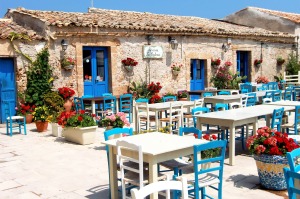
This flexibility allows travelers to adapt the experience to their preferences, whether they are looking for exploration, relaxation, or a balance of both. Sailing in Sicily is therefore not defined by a single route, but by the ability to combine different environments within the same journey, making each itinerary varied and adaptable to conditions and expectations.
The Aeolian Islands: Sicily’s Most Iconic Sailing Extension
Just north of Sicily, the Aeolian Islands form one of the most distinctive sailing areas in the Mediterranean and a natural extension of any itinerary in the region. This volcanic archipelago, made up of Lipari, Salina, Stromboli, Panarea, Vulcano, Filicudi, and Alicudi, is recognized as a UNESCO World Heritage Site for its unique geological and natural features.
What makes the Aeolian Islands particularly interesting is the contrast between each island. Stromboli is defined by its constant volcanic activity, offering a rare opportunity to observe eruptions from the sea, while Salina presents a greener and more fertile landscape. Panarea is known for its clear waters and smaller scale, whereas Vulcano stands out for its geothermal activity and rugged terrain. The more remote islands, such as Filicudi and Alicudi, offer a quieter and less developed environment.
From a sailing perspective, the Aeolian Islands provide a varied and dynamic experience. Distances between islands are relatively short, allowing for frequent stops, while the changing geography creates a mix of anchorages, open passages, and coastal navigation. Including the Aeolian Islands in a Sicilian sailing itinerary adds depth to the overall experience, combining volcanic landscapes, navigation variety, and a level of natural diversity that is difficult to find elsewhere in the Mediterranean.
Best Time to Visit Sicily: Seasons, Weather and Sailing Conditions
The best time to visit Sicily depends on the type of experience you are looking for, as the island changes significantly throughout the year in terms of atmosphere, weather, and level of activity.

Late spring and early autumn are generally the most balanced periods. Between May and June, and again in September, conditions are stable, temperatures are comfortable, and the number of visitors is lower compared to peak season.
These months are particularly well suited for sailing, as the sea is accessible and itineraries can be planned with greater flexibility. Summer, especially July and August, is the most active period.
Temperatures are higher, the sea is at its warmest, and coastal areas become more vibrant.
This is also the peak sailing season, with higher demand for boats and more crowded anchorages and ports. Booking in advance is essential during this time. Outside the main season, Sicily offers a quieter and more local experience.
Spring and autumn still provide good conditions for exploring on land, while winter sees reduced tourist activity and fewer available services, particularly in coastal and island areas. Overall, Sicily can be visited year-round, but the ideal timing depends on whether you prioritize sailing conditions, cultural exploration, or a more relaxed and less crowded environment.
Planning Your Sicily Experience: Travel Time, Routes and How to Explore
Exploring Sicily can be approached in different ways depending on your travel style and the level of depth you are looking for. While traveling by land allows you to visit historic cities, archaeological sites, and inland areas, sailing offers a more fluid and connected experience, linking coastal towns, bays, and nearby islands in a way that is difficult to replicate on land. For many travelers, combining both approaches provides the most complete understanding of the island.
In terms of timing, Sicily is not a destination to rush. A minimum of 7 days is usually enough to explore a specific area, while 10 to 14 days allows for a more complete itinerary, especially if you plan to include time at sea or extend the route to surrounding islands.
When it comes to sailing routes, the island offers several options. The northern coast and the Aeolian Islands are among the most popular, known for their volcanic landscapes and dynamic itineraries. Other areas, such as the eastern coast near Catania and Taormina or the western side around Palermo, provide different combinations of navigation, cultural stops, and natural scenery, making Sicily a flexible and adaptable destination for both land-based and sailing experiences.
Why Sicily Stands Out: A Destination That Adapts to Every Travel Style
Sicily is not a destination defined by a single type of experience. Its strength lies in the ability to combine history, landscape, food, and sea within the same journey, allowing travelers to shape their trip based on their own pace and interests.
You can spend your days exploring archaeological sites and historic towns, move through local markets and coastal villages, or shift toward a more relaxed rhythm focused on the sea, beaches, and navigation.
This adaptability is one of the key elements that distinguishes Sicily from other Mediterranean destinations, where experiences are often more uniform or limited to a specific setting.
Another defining aspect is the continuity between land and sea. The island is not experienced in separate layers, but as a connected environment where cultural exploration, natural landscapes, and daily life overlap.
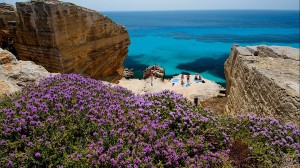
This makes it particularly suitable for combining inland travel with sailing itineraries, offering a more complete and varied perspective. For this reason, Sicily is not only a place to visit, but a destination that can be experienced in different ways depending on the traveler. Whether approached as a cultural journey, a coastal escape, or a sailing route, it remains one of the most versatile and complete destinations in the Mediterranean.
Final Thoughts: Is Sicily the Right Destination for You
Sicily is not a destination that follows a fixed pattern. It offers a combination of landscapes, cultures, and experiences that can be explored in different ways, depending on what you are looking for. Whether you are interested in history, coastal exploration, food, or sailing, the island allows you to build a journey that adapts to your expectations rather than forcing a predefined itinerary.
What makes Sicily particularly interesting is this balance between structure and flexibility. You can plan your route in advance, but still leave room for adjustments, especially when traveling by sea. This approach often leads to a more natural and authentic experience, where each day evolves based on conditions, discoveries, and personal preferences.
For travelers considering a sailing holiday, Sicily represents one of the most complete options in the Mediterranean. It combines accessible navigation, varied routes, and a strong identity both on land and at sea, making it suitable for different levels of experience.
If you are looking for a destination that goes beyond a typical holiday and offers a mix of exploration, relaxation, and movement, Sicily is one of the most consistent choices you can make in the Mediterranean.
Frequently Asked Questions
Q: What is a Cabin Charter?
A: A cabin charter allows you to book a cabin on a shared boat, perfect for solo travelers or small groups. Learn more here.
Q: What types of cabin charters are available?
A: Options include gulets, catamarans, and sailing yachts, each offering unique experiences. Explore options here.
Q: Is sailing experience required to join a cabin charter?
A: No, a professional crew handles everything, so you can relax and enjoy the journey. Read more here.
Q: Are itineraries fixed or flexible on a cabin charter?
A: Itineraries are thoughtfully planned but can be adjusted based on weather and guest preferences. Find out more here.
Q: What to pack for a yacht charter?
A: Pack light with soft luggage, swimsuits, sunscreen, and comfortable shoes. See the full packing guide here.
Q: What to do in case of adverse weather conditions?
A: The skipper will adjust the itinerary to ensure safety and comfort. Learn more here.
Q: Are Cabin Charters Suitable for Families with Children?
A: Absolutely! Cabin charters are perfect for families, offering kid-friendly amenities, safe environments, and flexible itineraries for quality time together. Learn more here.


