
Cuba
Cuba: Where the Caribbean Moves to a Different Rhythm
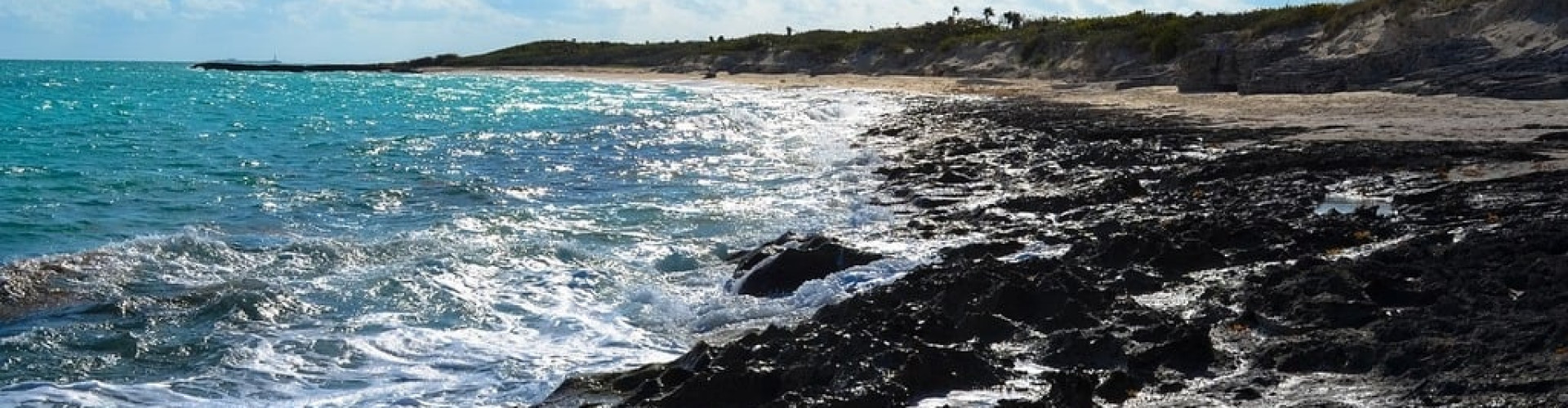
Sailing along the coast of Cuba feels distinct from other Caribbean destinations. The sea shifts between pale turquoise over sandbanks and deep blue beyond the reef, while low-lying cays stretch along the horizon in long, horizontal lines. Inland, colonial towns rise in faded pastel tones, shaped by centuries of maritime trade and cultural exchange.
Cuba’s coastline is expansive and varied. The north faces the Atlantic and Florida Straits, while the south opens into the calmer waters of the Caribbean Sea. Scattered archipelagos such as the Jardines del Rey and the Canarreos create structured sailing grounds with short passages and shallow anchorages.
From the deck, Cuba feels layered. Mangroves fringe the shore. Fishing skiffs move slowly across calm water. Music drifts faintly from waterfront towns at sunset.
Why visit Cuba for a sailing holiday?
Because it offers a blend of reef-protected cruising, cultural immersion, and Caribbean warmth within a landscape that remains less commercially developed than many neighboring islands.


Culture & Coastal Identity: Music, History and Maritime Life
Cuba’s coastal culture is inseparable from its history. Spanish colonial architecture lines harbor towns, while fortifications once guarded strategic Caribbean trade routes. Fishing remains part of daily life, and small boats move steadily between islands and mainland ports.
Waterfront evenings carry a different tempo. Salsa rhythms echo from open windows. Seafood is grilled over charcoal near the shore. Life unfolds outdoors, shaped by climate and community.
Unlike highly commercialized Caribbean hubs, Cuba maintains a slower pace. Infrastructure is functional but not overdeveloped. This lends authenticity to harbor towns and island anchorages alike.
What cultural influences shape Cuba’s maritime identity?
Spanish colonial heritage, Afro-Caribbean traditions, revolutionary history, and a long-standing connection to fishing and trade.
From anchor, colonial towns appear textured rather than polished, their facades softened by time and salt air.
Weather & Best Time to Sail
June is the hottest month in Havana with an average temperature of 27°C (81°F) and the coldest is January at 21°C (70°F) with the most daily sunshine hours at 11 in July. The wettest month is June with an average of 80mm of rain. The best month to swim in the sea is in August when the average sea temperature is 30°C (86°F).
Check all Statistics in Accuweather


