
Greece
A Gateway to the Aegean: Discovering Greece by Land and Sea
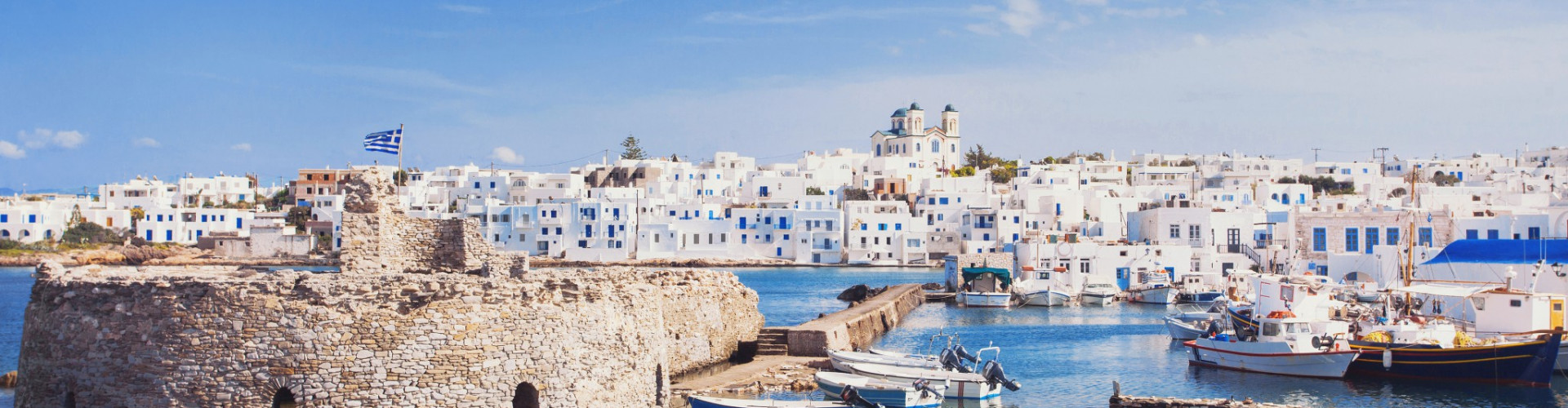
Arriving in Greece by sea offers a timeless panorama: the coast reveals itself slowly, with limestone cliffs that shimmer under the sun, clusters of whitewashed villages perched on hillsides, and olive groves tumbling down toward sparkling bays. The light here is unlike anywhere else brilliant and shifting casting new shadows on the same ancient stones.
Located at the southeastern edge of Europe, Greece stretches across a mainland peninsula and more than 6,000 islands and islets scattered throughout the Aegean and Ionian Seas. This Mediterranean crossroads is more than a postcard cliché. It’s a land shaped by mythology, history, and geography. From the rugged coasts of the Peloponnese to the turquoise bays of the Dodecanese, every region invites discovery. Among the most popular are the Cyclades, known for their sun-drenched charm; the Ionian Islands, rich in greenery and gentle waters; and Crete, a world of its own with mountainous landscapes and distinct traditions.
The rhythm of life in Greece varies from one port to the next. In the quieter islands, time slows and tavernas fill with the scent of grilled octopus and oregano. In more bustling towns like Nafplio or Rhodes, history and modern life intertwine seamlessly. Things to do in Greece include hiking through gorges in Crete, exploring ancient temples in the Peloponnese, or discovering remote beaches on islands like Ikaria and Amorgos.
Whether you’re a history buff, nature lover, foodie or simply in search of sun and sea, Greece travel offers layers of experience cultural, natural, and deeply personal.
Why visit Greece?
Because few places combine such rich cultural heritage, diverse landscapes, and welcoming hospitality within reach of the open sea.


Sailing the Coast of Greece: From Island Labyrinths to Coastal Hideaways
Sailing along the coast of Greece unfolds like a maritime journey through time and nature, where every curve of the shoreline leads to a new discovery. From emerald bays tucked behind limestone cliffs to traditional harbors where time slows down, the country offers some of the most varied and rewarding sailing experiences in the Mediterranean. With thousands of islands spread across distinct regions, a Greece yacht charter offers endless opportunities for those eager to explore beyond the usual.
Departures often begin from Athens, particularly Alimos Marina or Lavrion, both of which offer immediate access to the Cyclades, a group of sun-drenched islands known for dramatic coastlines and strong Aegean winds. Further west, the Ionian Sea calls with calm waters and lush landscapes, ideal for smooth sailing from ports like Lefkas and Corfu. To the southeast, sailors can start from Kos or Rhodes, discovering the less-traveled Dodecanese, a region defined by its historical ports and volcanic islands.
A Greece catamaran charter in the Saronic Gulf is ideal for beginners, offering short sailing legs and protected anchorages close to ancient sites and charming villages. More experienced crews may set course through the central Cyclades, weaving through islands like Paros and Mykonos, and dropping anchor near lesser-known gems like Kythnos. In the Ionian Islands, highlights include natural harbors in Kefalonia, the vertical cliffs of Ithaca, and the azure shallows of Antipaxos, all perfect for Greece snorkeling and leisurely sailing days.
Real anchorages such as Vathy Bay in Ithaca, the quiet inlet of Porto Koufo in northern Greece, and the turquoise-fringed shores of Meganisi show how each area offers a different tempo, from cultural immersion to untouched solitude. Whether you’re navigating with your own crew or joining a skipper charter Greece, the coastline presents a balance of challenge and comfort, where every bay and headland has a story.
With curated sailing cruises offered through IntersailClub, guests can join experienced skippers and small groups for immersive itineraries that highlight authentic destinations and responsible travel. From the Aegean’s bold light to the Ionian’s calm reflections, a Greece sailing cruise is more than a holiday; it's a moving perspective on one of Europe’s most captivating maritime cultures.
Is Greece good for sailing?
Absolutely. The country combines favorable summer winds, diverse sailing conditions, and countless sheltered harbors, making sailing Greece one of the best ways to experience its coastal diversity and timeless appeal.


Coastal Heritage and Living Traditions Along the Greek Shores
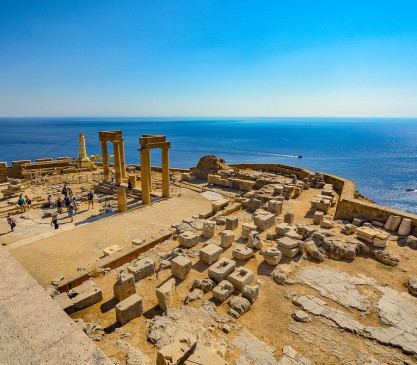
The culture of Greece has always been shaped by its coastline. From ancient harbors built by Mycenaean hands to modern fishing villages that still rely on the rhythm of the tides, life here has long flowed in harmony with the sea. Whether walking through a whitewashed alley in Hydra or watching the sails rise over the bay in Naxos, the past and present coexist in a uniquely fluid way. Across the islands, coastal communities have preserved customs, foods, and festivals that tell the story of their maritime roots.
In the Cyclades, the stark beauty of the land is mirrored in its music and crafts. You might hear the sound of the violin during a summer panigiri (festival), echoing through a harbor town like Parikia or Chora. Pottery, embroidery, and boatbuilding traditions remain strong, especially in less-touristed islands such as Syros or Tinos, where local artisans blend function and art in their creations. In the Ionian Islands, Venetian influences are visible in both architecture and culture Corfu’s old town, with its arcades and elegant façades, feels more Adriatic than Aegean.
Food is a key part of Greek coastal culture. In seaside taverns, dishes often center on the morning’s catch: grilled octopus, fried red mullet, or kakavia, a traditional fisherman’s soup. Olives, lemons, wild herbs, and handmade cheeses add depth and variety to each meal, with local wines and ouzo to complement. Every island has its own specialty, often tied to its history or environment: in Crete, for instance, you might find sea fennel and raki shared among friends beside the port.
Throughout the sailing season, regional festivals animate the waterfront. From Orthodox Easter processions in Poros to maritime parades in Spetses, the coastline becomes a living stage. These celebrations are not just tourist attractions, they're expressions of identity passed down for centuries, often tied to the patron saints of fishermen or seasonal harvests from land and sea.
What cultural influences shape Greece's identity?
A blend of ancient Greek, Byzantine, Venetian, and Ottoman legacies converge along the coast, but it is the enduring relationship with the sea that gives Greek island life its rhythm, resilience, and unmistakable soul.
Windswept Horizons: Navigating Greece's Seasonal Climate
June is the hottest month in Havana with an average temperature of 27°C (81°F) and the coldest is January at 21°C (70°F) with the most daily sunshine hours at 11 in July. The wettest month is June with an average of 80mm of rain. The best month to swim in the sea is in August when the average sea temperature is 30°C (86°F).
Check all Statistics in AccuweatherDec
Jan
Feb
Mar
Apr
May
Jun
Jul
Aug
Sep
Oct
Nov
All destinations in Mediterranean Sea
-

-
-
-
-
-
-
-
-
-
-
-
-
-
-
-
-
-
-
-
-
-
-
-
-
-
-
-
-
-
-


